Tuscan cuisine is one of the most recognizable gastronomic traditions in Italy. Rooted in rural farming culture, it is based on simple, seasonal, and high-quality ingredients, enhanced through essential preparations that highlight their natural flavors. In Tuscany, the dining table represents not only a social gathering but also a cultural heritage passed down from generation to generation.
The Origins of Tuscan Cuisine
Tuscan culinary tradition originates from cucina povera — the “poor kitchen” developed in the countryside and rural villages. For centuries, farming families learned to make use of every available resource, avoiding waste and transforming simple ingredients into flavorful dishes. Stale bread, legumes, black cabbage, extra virgin olive oil, and local meats still form the basis of many traditional recipes today.
The region’s history has also deeply influenced its gastronomy. Medieval cities such as Florence, Siena, and Lucca developed their own culinary traditions, closely connected to trade, local festivals, and agricultural life.
Iconic Ingredients of Tuscany
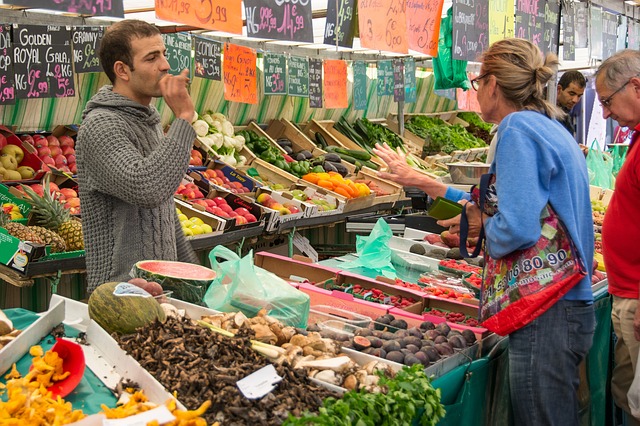
One of the central elements of Tuscan cuisine is extra virgin olive oil, used in almost every preparation. The Tuscan hills produce oils with an intense and fruity flavor, considered among the best in the world.
Another key ingredient is Tuscan bread, famous for being made without salt. This historical characteristic makes it perfect for pairing with flavorful cured meats and hearty soups. Iconic dishes such as pappa al pomodoro and ribollita are made using stale bread.
Among the most commonly used ingredients are also:
cannellini and borlotti beans;
black cabbage (cavolo nero);
chickpeas;
porcini mushrooms;
truffles;
wild boar;
Chianina beef steak;
Tuscan pecorino cheese.
The Most Famous Dishes
1. Ribollita
Ribollita is a traditional peasant soup prepared with stale bread, beans, and vegetables, especially black cabbage. Its name comes from the custom of “reboiling” the soup the following day, when it became even more flavorful.
2. Pappa al Pomodoro
This simple yet delicious dish combines stale bread, tomatoes, garlic, basil, and extra virgin olive oil. Its creamy texture and the aroma of fresh basil make it one of the symbols of the Tuscan summer.
3. Bistecca alla Fiorentina
Bistecca alla Fiorentina is probably the most famous Tuscan dish worldwide. It is a large T-bone steak made from Chianina beef and traditionally cooked rare over hot coals.
4. Cured Meats and Crostini
Among the traditional appetizers are Tuscan crostini with chicken liver pâté and the many regional cured meats, such as finocchiona, Tuscan ham, and wild boar salami.
Tuscan Wines
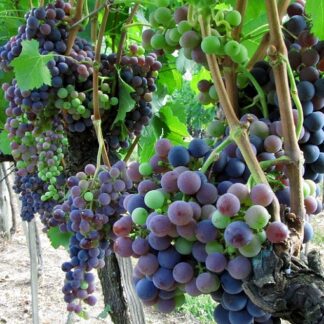
Tuscany is also one of Europe’s most important wine-producing regions. The hills of Chianti produce wines famous all over the world, mainly characterized by the use of the Sangiovese grape variety.

Among the most prestigious labels are:
Chianti Classico;
Brunello di Montalcino;
Vino Nobile di Montepulciano;
Bolgheri;
Vernaccia di San Gimignano.
In Tuscan tradition, wine accompanies every convivial moment and is considered an essential part of the meal.
Traditional Desserts
Tuscan pastry-making also reflects the simplicity of the regional cuisine. Among the most famous desserts are:
almond cantucci, often served with Vin Santo;
Panforte from Siena;
Ricciarelli;
schiacciata con l’uva (grape focaccia).
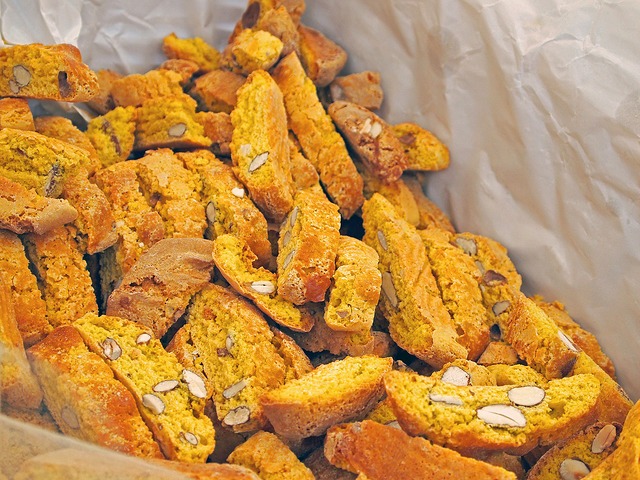
These desserts are strongly linked to local celebrations and traditions.
A Cuisine Deeply Connected to the Land
The strength of Tuscan cuisine lies in its deep connection with the territory. Every area has its own specialties, born from local resources and agricultural traditions. From the hills of Chianti to the Maremma, passing through Garfagnana and Val d’Orcia, food tells the story of local communities and landscapes.
Even today, Tuscan culinary tradition continues to be appreciated for its authenticity: a cuisine that proves how simplicity and quality can create extraordinary flavors.